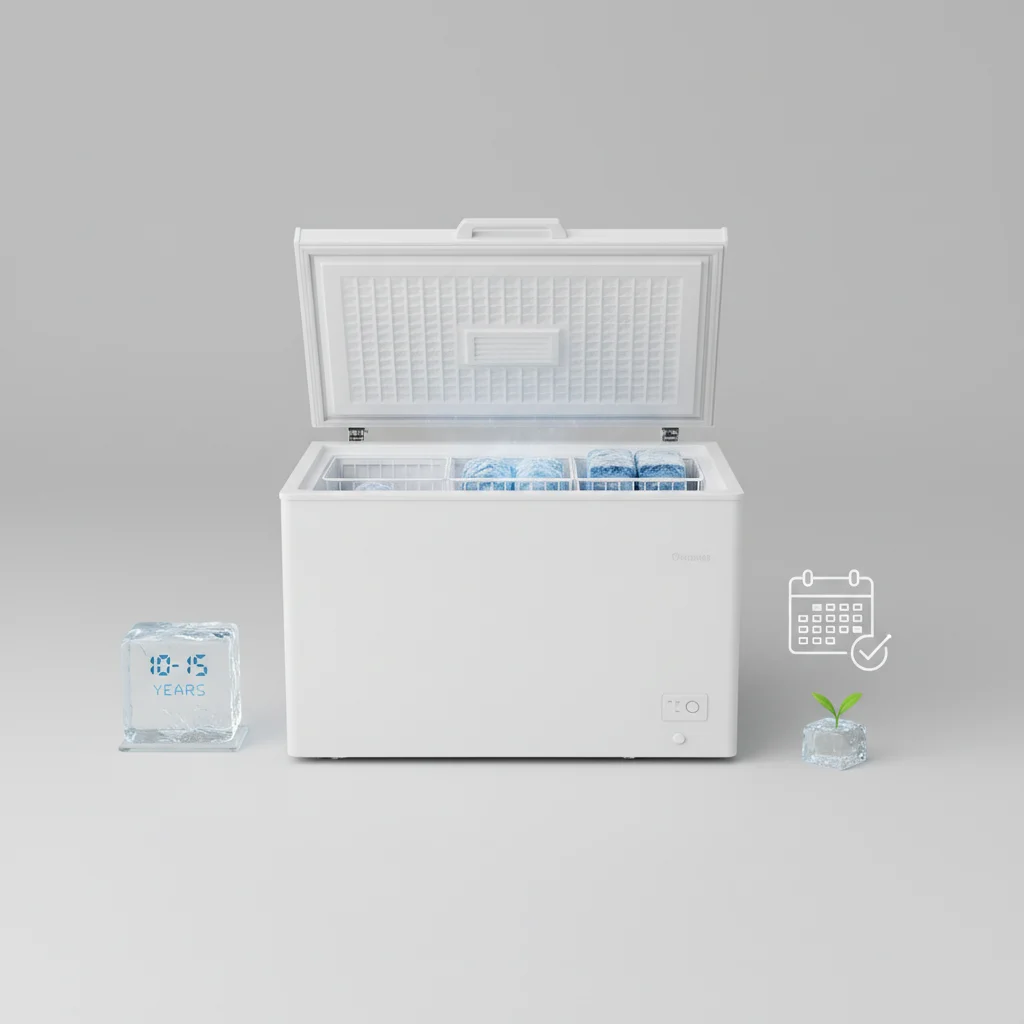
The average lifespan of a chest freezer is typically between 10 to 15 years, with many models reliably performing for up to 20 years with proper maintenance. This longevity is influenced by several factors, including the quality of components, frequency of use, and environmental conditions. Understanding these elements can help you maximize your appliance’s operational life and ensure your frozen goods remain safely stored for years to come.
Factors Influencing Chest Freezer Longevity
Several key factors contribute to how long your chest freezer will last. High-quality compressors and durable insulation are paramount. Brands known for their robust construction often yield freezers that exceed the average lifespan. Furthermore, the frequency of opening and closing the lid impacts the compressor’s workload; less frequent access means less wear and tear. Environmental factors, such as ambient room temperature and humidity, also play a significant role. Operating a freezer in an excessively hot or humid environment forces the compressor to work harder, potentially shortening its life.
Maintenance Practices for Extended Life
Regular maintenance is crucial for extending the life of your chest freezer. This includes routine defrosting, which prevents ice buildup that can reduce efficiency and strain the compressor. Cleaning the condenser coils at least once a year helps dissipate heat more effectively, preventing overheating. Additionally, ensuring the door gasket is clean and forms a tight seal prevents cold air from escaping, which reduces energy consumption and compressor stress. A simple check of the power cord for any damage can also prevent electrical issues.
- Defrost the freezer annually or when ice buildup exceeds a quarter-inch.
- Clean condenser coils every 6-12 months to ensure efficient heat exchange.
- Inspect and clean the door gasket regularly to maintain an airtight seal.
- Ensure adequate ventilation around the freezer for proper heat dissipation.
- Avoid overloading the freezer, which can restrict airflow and strain the compressor.
Signs Your Chest Freezer May Be Failing
|
Our Picks for the Best Chest Freezer in 2026
As an Amazon Associate I earn from qualifying purchases.
|
||
| Num | Product | Action |
|---|---|---|
| 1 | Koolatron Deep Freezer - 3.5 Cubic Feet, White Chest Freezer, 1 Wire Basket, Garage Ready, Meat Storage, Front Drain, Congelador For Home, Apartment, Basement, Dorm, Cottage, Manual Defrost, Stand Up |

|
| 2 | Avanti Upright Freezer Compact Design with 3 Fixed Metal Shelves, Reversible Door Adjustable Temperature Control and Flush-Back Design Perfect for Home, Office, Basements & More, 2.8-Cu.Ft, White |
|
| 3 | Whynter Upright Small Freezer Mini Freezer with Lock for Bedrooms, Dorms, Garages, Offices CUF-110B, Black Energy Star, 1.1 Cu Ft |
|
| 4 | Koolatron 1.2 Cubic Feet Capacity White Upright freezer - 1 wired shelf, Garage Ready, Meat Storage, Manual Defrost, Space Saving, Congelador For Home, Apartment, Basement, Dorm, Room |
|
| 5 | 2 Pack Refrigerator Thermometer, 30-30°C/20-80°F, Classic Fridge Thermometer Large Dial with Red Indicator Thermometer for Freezer Refrigerator Cooler |
|
| 6 | BESTYASH Freezer Organizer Divider Adjustable Chest Freezer Organizer with Breathable Layered Mesh for Refrigerator and Freezer Food and Beverage Storage 15.9X15.9X12.6 Inches |
|
| 7 | BLACK+DECKER 1.2 Cu. Ft. Compact Upright Freezer, Mini Deep Freeze with Full-Width Wire Shelf |
|
| 8 | Commercial Solid Top Chest Freezer by Atosa |
|
| 9 | SPT UF-114W Upright Freezer, White, 1.1 Cubic Feet |
|
| 10 | Chest Freezer Small Deep Freezer 3.5 Cu.Ft Mini Freezer with Removable Baskets & 6 Adjustable Temperature (Down to -11°F)& Top Open Door, Mini Compact Freezer Suitable for Apartments, Kitchen, White |
|
Recognizing the signs of a failing chest freezer can help you decide whether to repair or replace it. Common indicators include the freezer running constantly, unusual noises like loud humming or clicking, and a noticeable increase in energy bills. If food is not freezing properly, or if there’s excessive frost buildup despite regular defrosting, these are strong signals that the unit’s efficiency is declining. Visible rust or damage to the exterior or interior can also indicate structural integrity issues.
When to Consider a Replacement
While some issues can be repaired, there comes a point when replacing your chest freezer is more cost-effective. If the repair cost approaches or exceeds half the price of a new unit, replacement is often the better option. Older freezers, especially those over 15 years old, may also be less energy-efficient than newer models, meaning a new purchase could save you money on electricity in the long run. Consider the overall condition, the frequency of breakdowns, and the availability of parts when making your decision.
Maximizing Energy Efficiency and Performance
Beyond extending its life, proper usage can significantly impact your chest freezer’s energy efficiency and performance. Keep the freezer at least three-quarters full to maintain stable temperatures more easily, as frozen items help insulate each other. Avoid placing hot food directly into the freezer, as this forces the compressor to work harder to cool it down. Position your freezer in a cool, dry area away from direct sunlight or heat sources like ovens. These practices not only save energy but also contribute to the overall health and longevity of your appliance.
Frequently Asked Questions
What is the typical lifespan of a chest freezer?
The typical lifespan of a chest freezer is between 10 to 15 years. With proper maintenance, many models can reliably perform for up to 20 years, depending on the quality of components and frequency of use.
How can I extend the operational life of my chest freezer?
You can extend your chest freezer's life through regular maintenance, including annual defrosting to prevent ice buildup and cleaning condenser coils every 6-12 months. Ensuring a tight door seal and adequate ventilation also contributes to longevity.
What are the common signs that a chest freezer is failing?
Common signs of a failing chest freezer include constant running, unusual noises like loud humming, increased energy bills, and food not freezing properly. Excessive frost buildup despite regular defrosting is also a strong indicator.
When is it more cost-effective to replace a chest freezer than repair it?
It is generally more cost-effective to replace a chest freezer when the repair cost approaches or exceeds half the price of a new unit. Older freezers, especially those over 15 years old, may also be less energy-efficient, making replacement a better long-term investment.
Does how full a chest freezer is affect its energy efficiency?
Yes, keeping your chest freezer at least three-quarters full helps maintain stable temperatures more easily. Frozen items act as insulation, reducing the compressor's workload and improving overall energy efficiency.

My last chest freezer only lasted about 8 years, which was a bit disappointing. I think the issue might have been where I kept it – in the garage, which gets pretty hot in the summer. Next time, I’ll pay more attention to the environmental conditions like it mentioned. It still worked okay for a while, but then the compressor just gave out.
I’ve had my chest freezer for about 12 years now, and it’s still running like a champ. I definitely agree that proper maintenance makes a huge difference. I try not to open it too often, and I keep it in my cool, dry basement. It’s been a lifesaver for buying meat in bulk and storing garden harvests.
We’ve had our current chest freezer for almost 10 years, and it’s been incredibly reliable. It’s so convenient for storing extra food, especially when we find good sales. I really believe that investing in one with high-quality components upfront pays off in the long run for that extended lifespan.
I just bought a new chest freezer a few months ago, and I’m hoping it lasts me a good 15 years. I made sure to pick a brand known for robust construction this time. It’s great for meal prepping and freezing leftovers, and I’m trying to be mindful of how often I open the lid to keep it efficient.