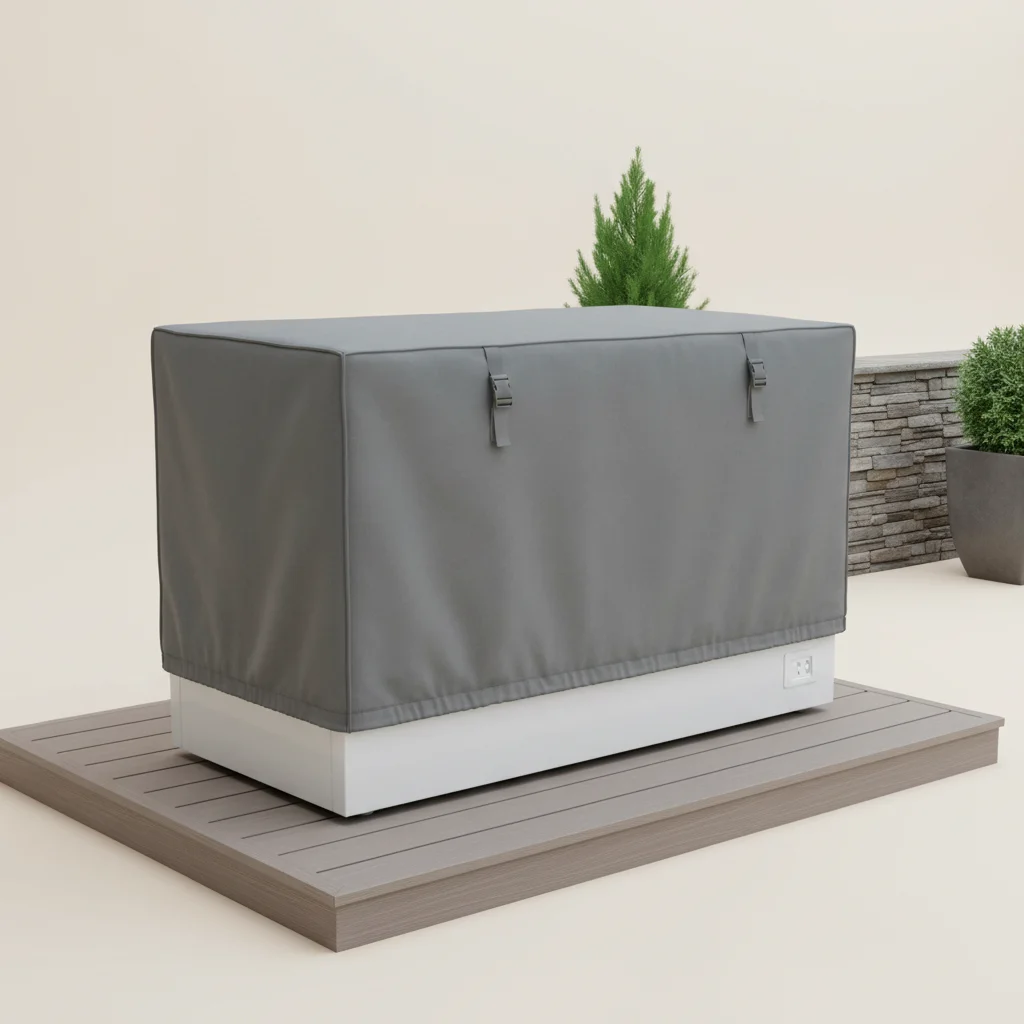
Storing a chest freezer outside is generally not recommended due to several environmental factors that can significantly impact its performance and lifespan. While some manufacturers design specific outdoor-rated models, most standard chest freezers are built for indoor use, ideally in a climate-controlled environment. Exposure to extreme temperatures, humidity, and direct sunlight can lead to inefficient operation, increased energy consumption, and premature component failure. For optimal performance and longevity, it’s best to keep your chest freezer in a garage, basement, or utility room where temperatures are more stable.
Why Outdoor Storage Is Problematic for Most Chest Freezers
The primary reason against outdoor storage for standard chest freezers is their design for specific operating temperatures. Most units are engineered to work efficiently within a typical indoor temperature range, often between 50°F (10°C) and 90°F (32°C). When temperatures drop too low, the compressor oil can thicken, making it harder for the unit to start and potentially causing damage. Conversely, high ambient temperatures force the compressor to work harder and longer to maintain the internal temperature, leading to higher energy bills and accelerated wear and tear. Direct sunlight can also heat the exterior of the freezer, further exacerbating this issue.
Humidity is another significant concern. Outdoor environments, especially in certain climates, can have high levels of moisture. This humidity can lead to condensation forming on the exterior and interior components of the freezer, potentially causing rust, corrosion, and electrical shorts. Even if the freezer is under a covered patio, ambient humidity can still be a problem. Furthermore, pests like rodents and insects are more likely to find their way into outdoor appliances, potentially chewing through wires or insulation, creating fire hazards, and compromising efficiency.
Factors to Consider for Outdoor-Rated Freezers
|
Our Picks for the Best Chest Freezer in 2026
As an Amazon Associate I earn from qualifying purchases.
|
||
| Num | Product | Action |
|---|---|---|
| 1 | 2 Pack Refrigerator Thermometer, 30-30°C/20-80°F, Classic Fridge Thermometer Large Dial with Red Indicator Thermometer for Freezer Refrigerator Cooler |

|
| 2 | BLACK+DECKER 1.2 Cu. Ft. Compact Upright Freezer, Mini Deep Freeze with Full-Width Wire Shelf |
|
| 3 | Avanti Upright Freezer Compact Design with 3 Fixed Metal Shelves, Reversible Door Adjustable Temperature Control and Flush-Back Design Perfect for Home, Office, Basements & More, 2.8-Cu.Ft, White |
|
| 4 | Koolatron 1.2 Cubic Feet Capacity White Upright freezer - 1 wired shelf, Garage Ready, Meat Storage, Manual Defrost, Space Saving, Congelador For Home, Apartment, Basement, Dorm, Room |
|
| 5 | Chest Freezer Small Deep Freezer 3.5 Cu.Ft Mini Freezer with Removable Baskets & 6 Adjustable Temperature (Down to -11°F)& Top Open Door, Mini Compact Freezer Suitable for Apartments, Kitchen, White |
|
| 6 | BESTYASH Freezer Organizer Divider Adjustable Chest Freezer Organizer with Breathable Layered Mesh for Refrigerator and Freezer Food and Beverage Storage 15.9X15.9X12.6 Inches |
|
| 7 | SPT UF-114W Upright Freezer, White, 1.1 Cubic Feet |
|
| 8 | Koolatron Deep Freezer - 3.5 Cubic Feet, White Chest Freezer, 1 Wire Basket, Garage Ready, Meat Storage, Front Drain, Congelador For Home, Apartment, Basement, Dorm, Cottage, Manual Defrost, Stand Up |
|
| 9 | Whynter Upright Small Freezer Mini Freezer with Lock for Bedrooms, Dorms, Garages, Offices CUF-110B, Black Energy Star, 1.1 Cu Ft |
|
| 10 | Commercial Solid Top Chest Freezer by Atosa |
|
If you absolutely must store a chest freezer outdoors, you should only consider models specifically designed and rated for outdoor use. These units often feature enhanced insulation, robust weather-resistant casings, and compressors engineered to handle a wider range of ambient temperatures. They may also have improved sealing to prevent moisture and pest intrusion. Always check the manufacturer’s specifications and warranty information to ensure the unit is suitable for your intended outdoor environment. Even with outdoor-rated models, providing additional shelter from direct sun and rain is always a good idea.
- Temperature Range: Verify the freezer’s specified operating temperature range for outdoor use.
- Weather Resistance: Look for features like UV-resistant coatings and sealed electrical components.
- Warranty: Confirm that the warranty covers outdoor placement.
- Ventilation: Ensure adequate airflow around the unit, even when sheltered.
- Power Supply: Use a dedicated, weather-protected outdoor outlet with GFCI protection.
Impact on Energy Consumption and Lifespan
Storing a standard chest freezer outdoors will almost certainly increase its energy consumption. When the ambient temperature is significantly different from the freezer’s internal temperature, the unit has to work harder to maintain its set point. In hot weather, the compressor runs more frequently and for longer durations. In very cold weather, while the compressor might run less, the unit’s ability to maintain a consistent temperature can be compromised, and the risk of component damage increases. This constant struggle against the elements shortens the overall lifespan of the appliance, leading to earlier breakdowns and the need for costly repairs or replacement.
For those considering an outdoor placement, investing in a high-efficiency model designed for garages or extreme temperatures can mitigate some of these issues. However, even these specialized units benefit from being placed in a shaded, protected area. Regular cleaning and inspection are also crucial to prevent debris buildup and pest infestations that are more common in outdoor settings.Choosing the right location is as important as choosing the right freezer itself for long-term satisfaction and efficiency.
Alternatives to Outdoor Chest Freezer Storage
If outdoor storage is not ideal, consider alternative indoor locations. Basements are excellent choices due to their typically stable and cooler temperatures. Garages can also work well, provided they don’t experience extreme temperature fluctuations. If your garage gets very hot in the summer or very cold in the winter, look for a ‘garage-ready’ or ‘garage-safe’ chest freezer, which is specifically designed to operate efficiently in a wider temperature range. Utility rooms, large pantries, or even a dedicated corner in a laundry room can also serve as suitable indoor spots, ensuring your freezer operates optimally and lasts for many years.
