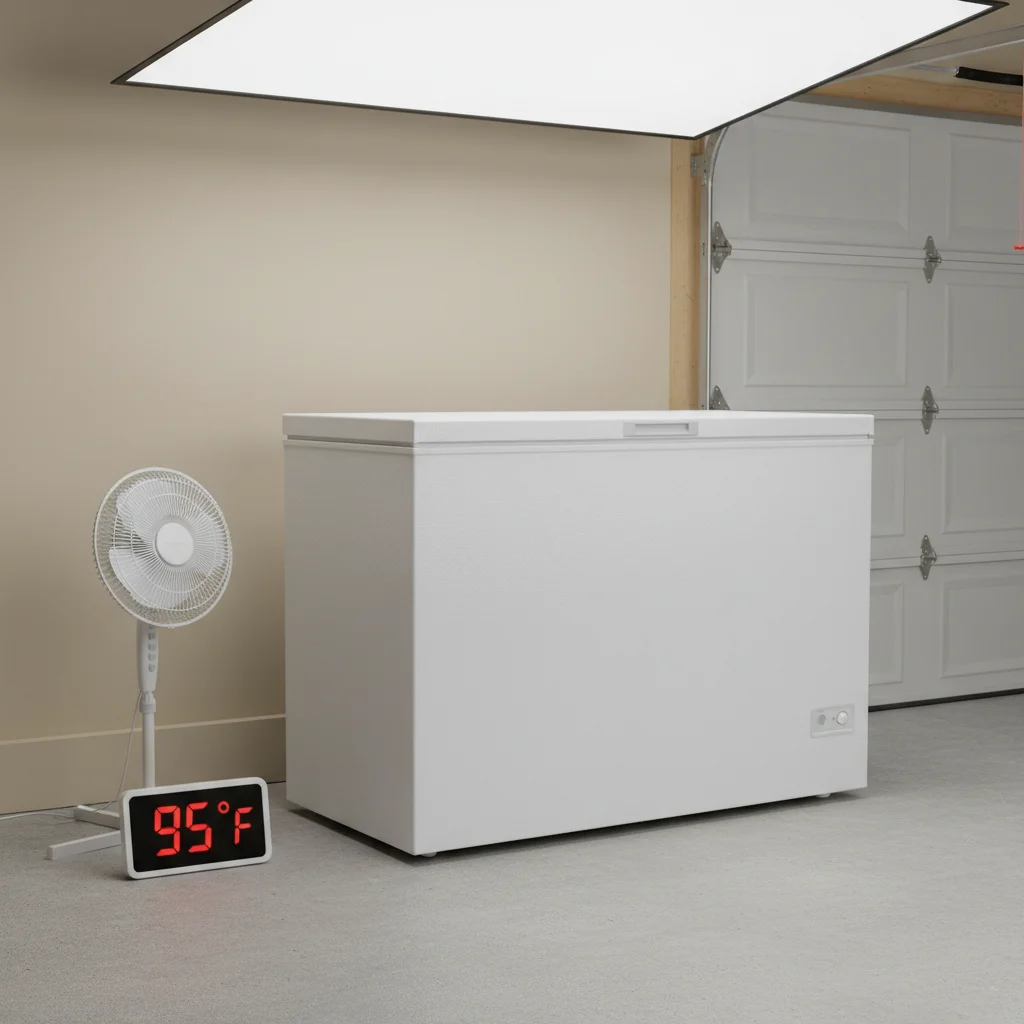
Placing a chest freezer in a garage can be a convenient option for many households, but it’s crucial to consider the ambient temperature. Most chest freezers are designed to operate efficiently within a specific temperature range, typically between 0°F and 110°F (-18°C to 43°C). If your garage frequently exceeds this upper limit, especially during summer months, it can significantly impact the freezer’s performance, energy consumption, and lifespan. Understanding your freezer’s climate class and your garage’s typical temperature fluctuations is key to preventing issues.
Understanding Your Freezer’s Climate Class
Not all freezers are created equal when it comes to tolerating extreme temperatures. Manufacturers assign a ‘climate class’ to their appliances, indicating the optimal ambient temperature range for operation. Common climate classes include SN (Subnormal, 50-90°F), N (Normal, 60-90°F), ST (Subtropical, 65-100°F), and T (Tropical, 65-110°F). If your garage regularly gets hotter than 100°F, a freezer with a ‘T’ or ‘Tropical’ climate class is essential. Operating a freezer outside its intended climate class can lead to the compressor working overtime, increased energy bills, and premature failure.
Impact of High Temperatures on Performance
When a chest freezer is exposed to temperatures above its recommended range, its compressor has to work much harder to maintain the internal freezing temperature. This continuous operation not only consumes more electricity but also puts significant strain on the compressor, reducing its overall lifespan. You might notice the freezer running almost constantly, and the exterior feeling warmer than usual. In extreme cases, the freezer may struggle to maintain a safe freezing temperature, potentially leading to food spoilage.
Energy Consumption and Cost Implications
|
Our Picks for the Best Chest Freezer in 2026
As an Amazon Associate I earn from qualifying purchases.
|
||
| Num | Product | Action |
|---|---|---|
| 1 | Commercial Solid Top Chest Freezer by Atosa |

|
| 2 | Avanti Upright Freezer Compact Design with 3 Fixed Metal Shelves, Reversible Door Adjustable Temperature Control and Flush-Back Design Perfect for Home, Office, Basements & More, 2.8-Cu.Ft, White |
|
| 3 | Koolatron Deep Freezer - 3.5 Cubic Feet, White Chest Freezer, 1 Wire Basket, Garage Ready, Meat Storage, Front Drain, Congelador For Home, Apartment, Basement, Dorm, Cottage, Manual Defrost, Stand Up |
|
| 4 | Chest Freezer Small Deep Freezer 3.5 Cu.Ft Mini Freezer with Removable Baskets & 6 Adjustable Temperature (Down to -11°F)& Top Open Door, Mini Compact Freezer Suitable for Apartments, Kitchen, White |
|
| 5 | BLACK+DECKER 1.2 Cu. Ft. Compact Upright Freezer, Mini Deep Freeze with Full-Width Wire Shelf |
|
| 6 | Koolatron 1.2 Cubic Feet Capacity White Upright freezer - 1 wired shelf, Garage Ready, Meat Storage, Manual Defrost, Space Saving, Congelador For Home, Apartment, Basement, Dorm, Room |
|
| 7 | BESTYASH Freezer Organizer Divider Adjustable Chest Freezer Organizer with Breathable Layered Mesh for Refrigerator and Freezer Food and Beverage Storage 15.9X15.9X12.6 Inches |
|
| 8 | 2 Pack Refrigerator Thermometer, 30-30°C/20-80°F, Classic Fridge Thermometer Large Dial with Red Indicator Thermometer for Freezer Refrigerator Cooler |
|
| 9 | Whynter Upright Small Freezer Mini Freezer with Lock for Bedrooms, Dorms, Garages, Offices CUF-110B, Black Energy Star, 1.1 Cu Ft |
|
| 10 | SPT UF-114W Upright Freezer, White, 1.1 Cubic Feet |
|
Operating a chest freezer in a hot garage can dramatically increase your electricity bill. For every 10-degree Fahrenheit increase in ambient temperature above the recommended range, a freezer’s energy consumption can jump by 10-20%. Over a year, this can translate into substantial additional costs. Investing in a freezer specifically rated for garage use, or taking steps to cool your garage, can lead to significant long-term savings on your utility bills.
Tips for Optimizing Garage Freezer Performance
- Check Climate Class: Ensure your freezer is rated for the ambient temperatures in your garage.
- Provide Ventilation: Allow at least 3-4 inches of space around the freezer for proper airflow.
- Shade from Sun: Position the freezer away from direct sunlight, which can add extra heat.
- Insulate Garage: Consider insulating your garage door and walls to help regulate temperature.
- Monitor Temperature: Use a simple thermometer to track garage temperatures, especially in summer.
Alternative Placement Options
If your garage consistently exceeds safe operating temperatures for your freezer, consider alternative locations. A basement, utility room, or even a dedicated pantry can offer more stable and cooler environments. While these options might require more planning for space, they can ensure your freezer operates efficiently and your food remains safely frozen. Always prioritize a location that allows the freezer to perform optimally according to its specifications.
For those seeking robust chest freezers designed to withstand challenging environments, consider models from brands known for their garage-ready appliances. These units often feature enhanced insulation and heavy-duty compressors.Many manufacturers now explicitly label freezers as ‘garage-ready’ or ‘garage-safe,’ making it easier to choose the right model for your specific needs. Always consult the product manual for detailed temperature guidelines before making a final decision on placement.
