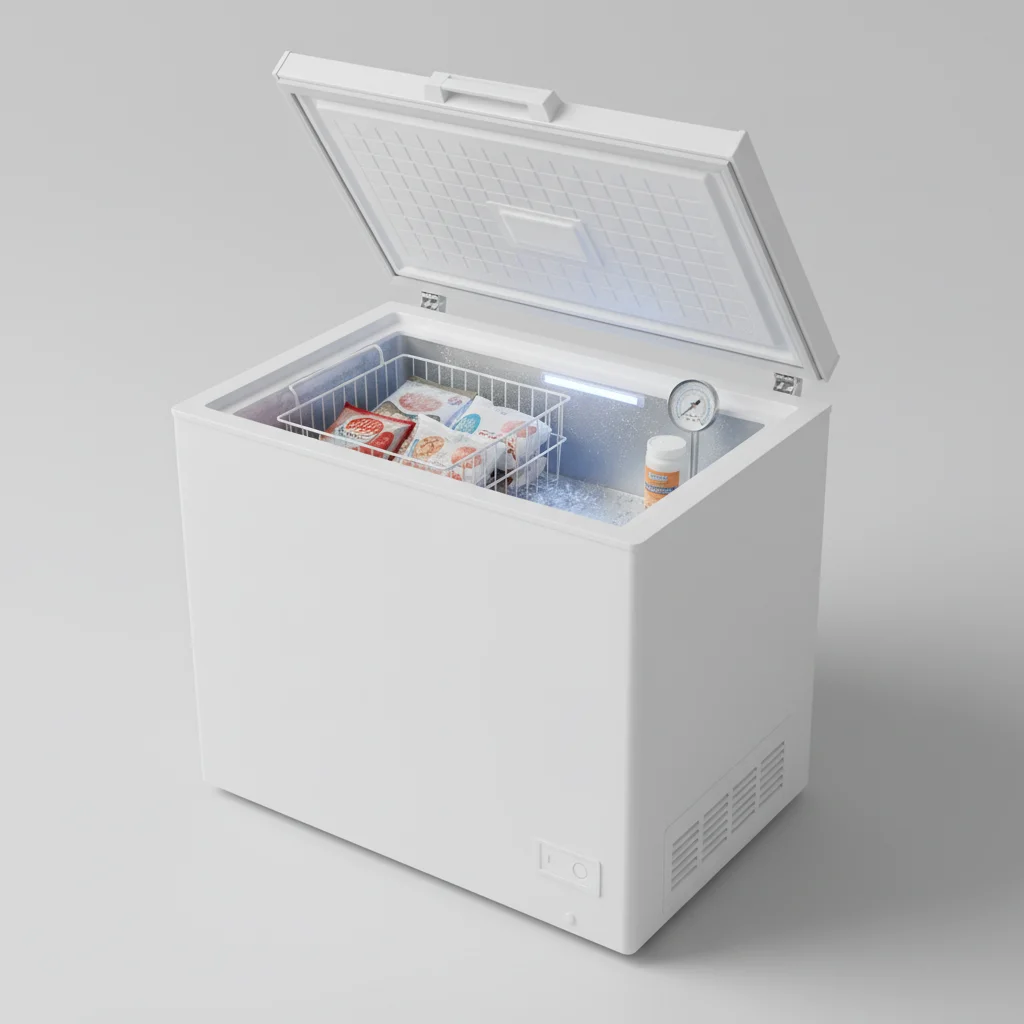
Preventing humidity in your chest freezer is crucial for avoiding excessive frost buildup, which can reduce efficiency and storage space. The most effective way to manage humidity is by ensuring a tight seal, minimizing door openings, and properly packaging food. These measures collectively reduce the amount of moisture entering the freezer, thereby preventing the formation of thick ice layers.
Understanding Humidity’s Impact on Chest Freezers
Humidity, or moisture in the air, is the primary culprit behind frost buildup in chest freezers. When warm, humid air comes into contact with the cold interior surfaces of the freezer, the moisture condenses and freezes, forming ice. This process is accelerated by frequent door openings, which allow more ambient air to enter. Over time, this frost accumulation can become significant, reducing the usable storage volume and forcing the compressor to work harder, leading to higher energy consumption.
Beyond efficiency, excessive frost can also impact food quality. Ice crystals can form on food packaging, leading to freezer burn and compromising the taste and texture of frozen items. Regular defrosting becomes necessary to manage this, but proactive measures against humidity can extend the time between defrost cycles.
Key Strategies to Minimize Moisture Entry
One of the most critical steps in controlling chest freezer humidity is ensuring a perfect seal. Regularly inspect the gasket around the lid for any cracks, tears, or signs of wear. A damaged gasket allows warm, moist air to seep into the freezer continuously. Cleaning the gasket periodically with a mild soap and water solution can also help maintain its flexibility and sealing capabilities. If the gasket is compromised, replacing it promptly is essential.
Another significant factor is how often and for how long the freezer lid is open. Each time the lid is lifted, warm, humid air rushes in. Try to plan your freezer access, retrieving multiple items at once rather than making several trips. Also, avoid leaving the lid open for extended periods while you search for items. A quick, efficient retrieval minimizes the influx of moisture.
Proper Food Packaging and Storage
|
Our Picks for the Best Chest Freezer in 2026
As an Amazon Associate I earn from qualifying purchases.
|
||
| Num | Product | Action |
|---|---|---|
| 1 | 2 Pack Refrigerator Thermometer, 30-30°C/20-80°F, Classic Fridge Thermometer Large Dial with Red Indicator Thermometer for Freezer Refrigerator Cooler |

|
| 2 | Avanti Upright Freezer Compact Design with 3 Fixed Metal Shelves, Reversible Door Adjustable Temperature Control and Flush-Back Design Perfect for Home, Office, Basements & More, 2.8-Cu.Ft, White |
|
| 3 | Chest Freezer Small Deep Freezer 3.5 Cu.Ft Mini Freezer with Removable Baskets & 6 Adjustable Temperature (Down to -11°F)& Top Open Door, Mini Compact Freezer Suitable for Apartments, Kitchen, White |
|
| 4 | Koolatron Deep Freezer - 3.5 Cubic Feet, White Chest Freezer, 1 Wire Basket, Garage Ready, Meat Storage, Front Drain, Congelador For Home, Apartment, Basement, Dorm, Cottage, Manual Defrost, Stand Up |
|
| 5 | SPT UF-114W Upright Freezer, White, 1.1 Cubic Feet |
|
| 6 | BESTYASH Freezer Organizer Divider Adjustable Chest Freezer Organizer with Breathable Layered Mesh for Refrigerator and Freezer Food and Beverage Storage 15.9X15.9X12.6 Inches |
|
| 7 | Koolatron 1.2 Cubic Feet Capacity White Upright freezer - 1 wired shelf, Garage Ready, Meat Storage, Manual Defrost, Space Saving, Congelador For Home, Apartment, Basement, Dorm, Room |
|
| 8 | Whynter Upright Small Freezer Mini Freezer with Lock for Bedrooms, Dorms, Garages, Offices CUF-110B, Black Energy Star, 1.1 Cu Ft |
|
| 9 | Commercial Solid Top Chest Freezer by Atosa |
|
| 10 | BLACK+DECKER 1.2 Cu. Ft. Compact Upright Freezer, Mini Deep Freeze with Full-Width Wire Shelf |
|
The way you package food before placing it in the chest freezer plays a vital role in humidity control. Food items, especially those with high water content, can release moisture into the freezer environment if not properly sealed. Use airtight containers, heavy-duty freezer bags, or vacuum-sealed packaging to prevent moisture from escaping food and contributing to frost buildup. Double-wrapping items can provide an extra layer of protection.
Additionally, ensure that food is completely cooled before freezing. Placing warm or hot food directly into the freezer introduces a significant amount of steam and moisture, which will quickly condense and freeze. Allow cooked meals to cool to room temperature before packaging and freezing them.
Environmental Factors and Placement
The environment where your chest freezer is located can also influence humidity levels. Placing a freezer in a very humid room, such as an unfinished basement or garage prone to dampness, can exacerbate frost issues. If possible, choose a drier location. Ensuring adequate air circulation around the freezer can also help, as restricted airflow can sometimes lead to condensation on the exterior, which can then find its way inside.
Consider using a dehumidifier in the room if humidity is a persistent problem, especially in areas with high ambient moisture. This can significantly reduce the overall humidity in the air surrounding the freezer, thereby lessening the amount of moisture that can enter when the lid is opened.
Maintenance Tips for a Frost-Free Freezer
- Regularly check and clean the lid gasket for a tight seal.
- Minimize the frequency and duration of lid openings.
- Always use airtight and freezer-safe packaging for all food items.
- Ensure food is completely cooled before freezing.
- Consider a dehumidifier in high-humidity environments.
By implementing these strategies, you can significantly reduce humidity and frost buildup in your chest freezer, leading to better efficiency, longer food preservation, and less frequent defrosting. A well-maintained freezer operates more effectively and extends the lifespan of the appliance.For more tips on maintaining your freezer, check out our other guides.
