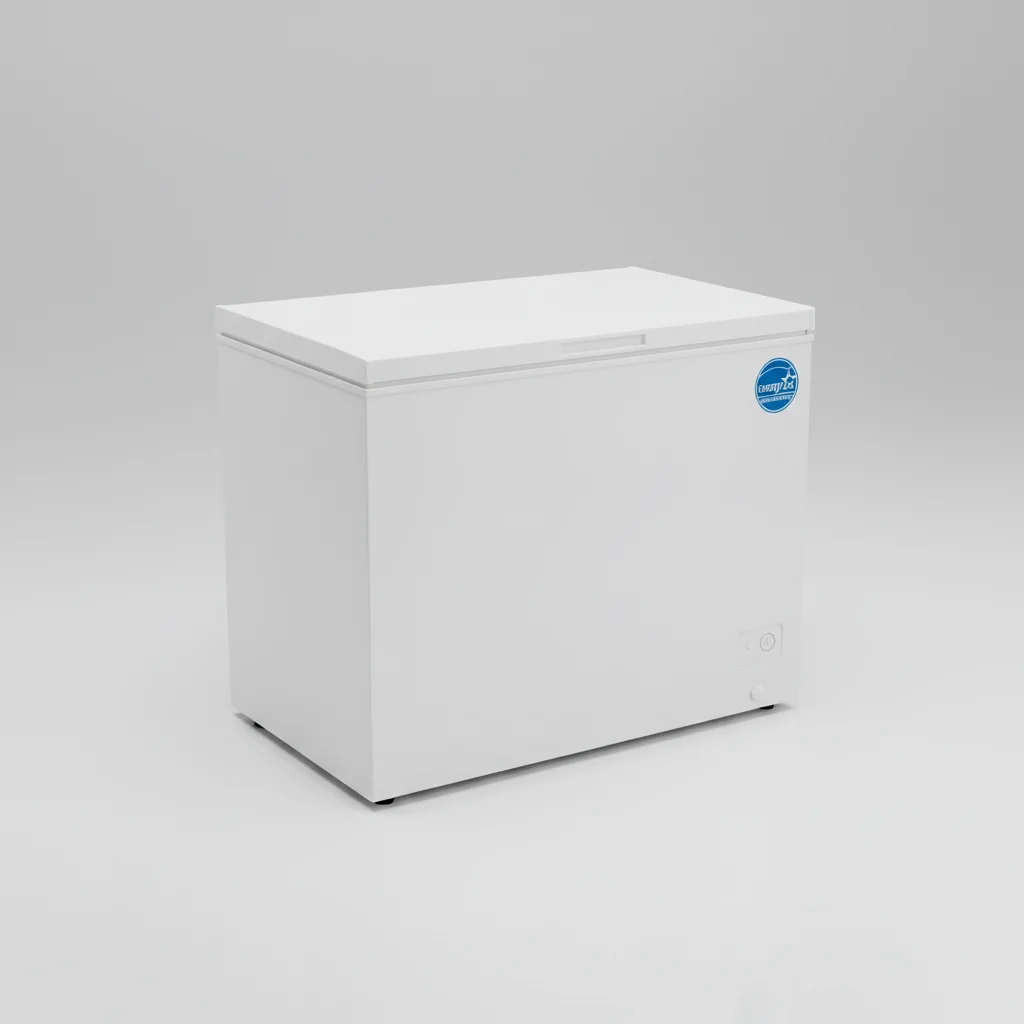
A chest freezer with an Energy Star rating can save you an average of $30 to $50 annually on electricity bills compared to a non-rated model of similar size and features. This certification signifies that the appliance meets strict energy efficiency guidelines set by the U.S. Environmental Protection Agency and Department of Energy, resulting in lower operating costs over its lifespan.
Understanding Energy Star Certification for Freezers
The Energy Star program is a voluntary labeling initiative designed to help consumers identify and purchase products that are among the most energy-efficient available. For chest freezers, this means they consume less electricity to maintain optimal freezing temperatures, which translates directly into reduced utility bills. The criteria for Energy Star certification are regularly updated to reflect advancements in technology, ensuring that certified models remain at the forefront of energy efficiency.
When a chest freezer receives an Energy Star label, it indicates that its design incorporates features like improved insulation, more efficient compressors, and better sealing mechanisms. These enhancements collectively minimize heat transfer and reduce the workload on the cooling system, leading to significant energy savings without compromising performance. Consumers can easily compare the energy consumption of different models by looking at the yellow EnergyGuide label, which provides estimated annual energy use and operating costs.
The Financial Benefits of an Energy Star Chest Freezer
While Energy Star certified chest freezers often have a slightly higher upfront purchase price, the long-term savings on electricity can quickly offset this initial investment. Over the typical 10-15 year lifespan of a chest freezer, these savings can amount to hundreds of dollars. For example, a 15 cubic foot Energy Star chest freezer might use around 200 kWh per year, while a comparable non-Energy Star model could use 350 kWh or more. At an average electricity cost of $0.15 per kWh, this difference alone can save you over $20 annually.
Consider the cumulative effect: if you save $25 per year, over 12 years, you’ve saved $300. This makes the slightly higher initial cost a wise investment for budget-conscious households. Furthermore, some local utility companies offer rebates or incentives for purchasing Energy Star appliances, further reducing the effective cost and accelerating your return on investment. Always check with your local energy provider for available programs.
Beyond Savings: Environmental Impact and Performance
|
Our Picks for the Best Chest Freezer in 2026
As an Amazon Associate I earn from qualifying purchases.
|
||
| Num | Product | Action |
|---|---|---|
| 1 | Whynter Upright Small Freezer Mini Freezer with Lock for Bedrooms, Dorms, Garages, Offices CUF-110B, Black Energy Star, 1.1 Cu Ft |

|
| 2 | Chest Freezer Small Deep Freezer 3.5 Cu.Ft Mini Freezer with Removable Baskets & 6 Adjustable Temperature (Down to -11°F)& Top Open Door, Mini Compact Freezer Suitable for Apartments, Kitchen, White |
|
| 3 | BLACK+DECKER 1.2 Cu. Ft. Compact Upright Freezer, Mini Deep Freeze with Full-Width Wire Shelf |
|
| 4 | 2 Pack Refrigerator Thermometer, 30-30°C/20-80°F, Classic Fridge Thermometer Large Dial with Red Indicator Thermometer for Freezer Refrigerator Cooler |
|
| 5 | SPT UF-114W Upright Freezer, White, 1.1 Cubic Feet |
|
| 6 | Commercial Solid Top Chest Freezer by Atosa |
|
| 7 | Koolatron Deep Freezer - 3.5 Cubic Feet, White Chest Freezer, 1 Wire Basket, Garage Ready, Meat Storage, Front Drain, Congelador For Home, Apartment, Basement, Dorm, Cottage, Manual Defrost, Stand Up |
|
| 8 | BESTYASH Freezer Organizer Divider Adjustable Chest Freezer Organizer with Breathable Layered Mesh for Refrigerator and Freezer Food and Beverage Storage 15.9X15.9X12.6 Inches |
|
| 9 | Avanti Upright Freezer Compact Design with 3 Fixed Metal Shelves, Reversible Door Adjustable Temperature Control and Flush-Back Design Perfect for Home, Office, Basements & More, 2.8-Cu.Ft, White |
|
| 10 | Koolatron 1.2 Cubic Feet Capacity White Upright freezer - 1 wired shelf, Garage Ready, Meat Storage, Manual Defrost, Space Saving, Congelador For Home, Apartment, Basement, Dorm, Room |
|
Choosing an Energy Star chest freezer isn’t just about saving money; it also contributes to environmental protection. By consuming less energy, these appliances reduce greenhouse gas emissions from power plants, helping to combat climate change. This makes an Energy Star purchase a responsible choice for both your wallet and the planet.
Moreover, energy-efficient freezers often boast superior construction and components, leading to more consistent temperatures and better food preservation. They are designed to operate quietly and reliably, providing peace of mind. The rigorous testing required for certification ensures that these freezers meet high standards for both efficiency and performance.
Factors to Consider When Buying an Energy Star Chest Freezer
- Size and Capacity: Match the freezer’s capacity to your household’s needs to avoid over-cooling empty space.
- Features: Look for features like thick insulation, tight-sealing gaskets, and efficient compressors.
- Location: Placing your freezer in a cool, dry area away from direct sunlight or heat sources will maximize its efficiency.
- Defrosting: Manual defrost models are generally more energy-efficient than auto-defrost, though they require periodic maintenance.
- Price vs. Long-Term Value: Weigh the initial cost against the projected energy savings over the appliance’s lifespan.
Ultimately, investing in an Energy Star certified chest freezer is a smart decision for most consumers. The combination of lower operating costs, environmental benefits, and reliable performance makes it a worthwhile upgrade. While the upfront price might be slightly higher, the long-term financial and ecological advantages are clear.For those looking for a balance of efficiency and capacity, consider models like the Frigidaire FFFC07M1RW, which consistently receives high marks for its energy performance.

I’ve had my Energy Star chest freezer for about six months now, and it’s been a game-changer for meal prepping. Knowing that the certification means it consumes less electricity to maintain optimal freezing temperatures gives me peace of mind. It’s a solid investment that pays off over time, especially with how much I use it.
We needed a new chest freezer for our growing family and decided to prioritize energy efficiency. The information about the U.S. Environmental Protection Agency’s guidelines really helped me understand what the Energy Star label means. Our new freezer is quiet and holds a ton of frozen veggies and prepped meals. Very happy with the purchase.
I was on the fence about spending a little extra for an Energy Star chest freezer, but after reading about the potential savings, I went for it. So glad I did! My electric bill has definitely seen a small but noticeable dip, and it’s great knowing I’m doing my part for the environment too. It’s been perfect for storing bulk meat purchases.
I got an Energy Star model, hoping for those $30-$50 annual savings. While it works fine and keeps everything frozen solid, I haven’t really seen that much of a difference on my utility bill yet. Maybe it’s because my old freezer wasn’t super inefficient to begin with. It’s a good size for my garage though.