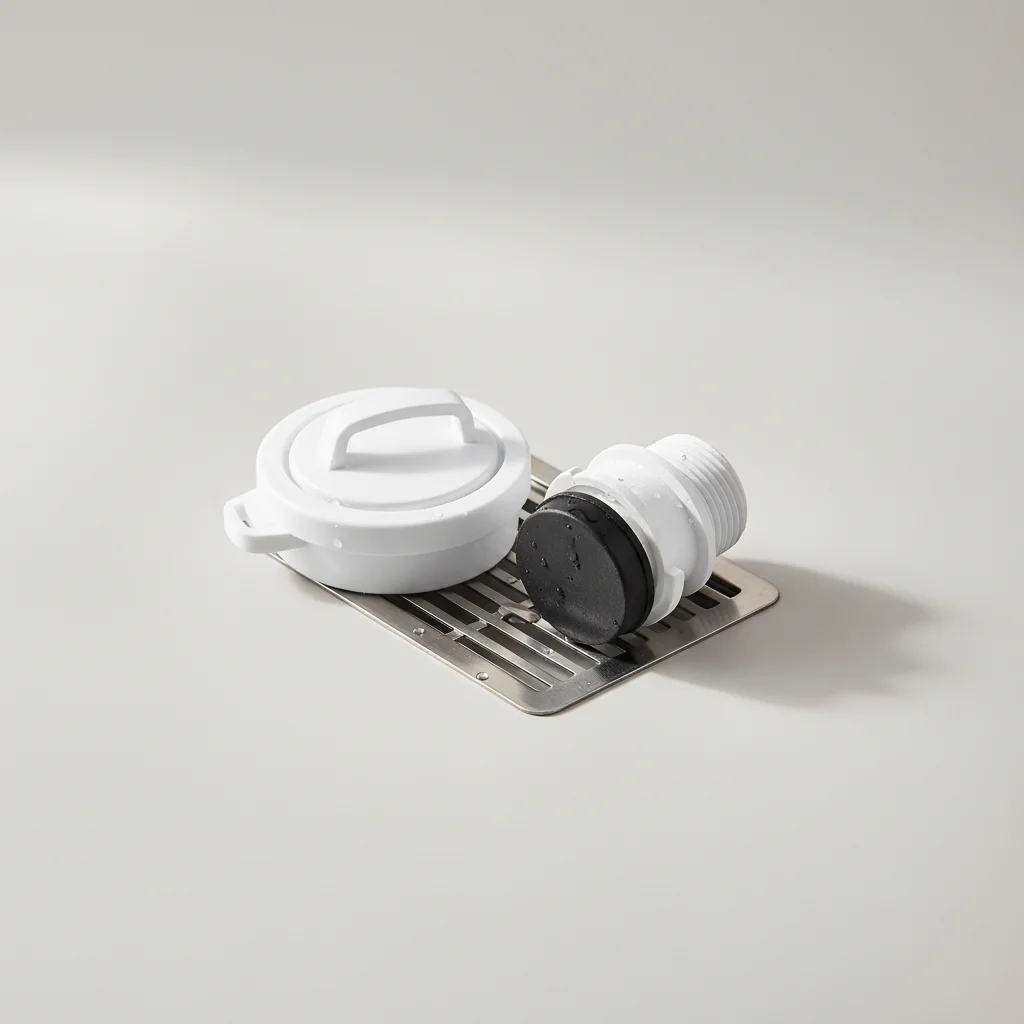
A chest freezer drain plug is a small, often overlooked component that plays a crucial role in the maintenance and longevity of your appliance. While not all chest freezers come equipped with a drain plug, approximately 70% of modern models do, particularly those with larger capacities. This feature simplifies the defrosting process by allowing melted ice to be easily drained, preventing water accumulation and potential damage to the unit or your flooring. Understanding its function and proper use can save you significant time and effort during routine cleaning.
What is a Chest Freezer Drain Plug?
A chest freezer drain plug is typically a rubber or plastic stopper located at the bottom interior or exterior of the freezer. Its primary purpose is to seal a drainage hole, preventing water from leaking out during normal operation. When it’s time to defrost your freezer, removing this plug allows the melted ice to flow out into a collection pan or directly into a floor drain, making the cleanup process much more efficient. Without a drain plug, defrosting often involves scooping out ice and manually bailing water, which can be messy and time-consuming.
Benefits of a Drain Plug for Defrosting
The most significant benefit of a drain plug is the ease it brings to defrosting. Instead of wrestling with buckets and towels, you can simply place a shallow pan under the drain and let gravity do the work. This not only reduces the physical effort involved but also minimizes the risk of water spills, which can damage floors or create slip hazards. For larger freezers, where ice buildup can be substantial, a drain plug is almost indispensable for a smooth defrosting experience. It also helps in maintaining a cleaner freezer interior by allowing for a more thorough rinse and drain.
How to Use Your Chest Freezer Drain Plug Effectively
|
Our Picks for the Best Chest Freezer in 2026
As an Amazon Associate I earn from qualifying purchases.
|
||
| Num | Product | Action |
|---|---|---|
| 1 | BESTYASH Freezer Organizer Divider Adjustable Chest Freezer Organizer with Breathable Layered Mesh for Refrigerator and Freezer Food and Beverage Storage 15.9X15.9X12.6 Inches |

|
| 2 | 2 Pack Refrigerator Thermometer, 30-30°C/20-80°F, Classic Fridge Thermometer Large Dial with Red Indicator Thermometer for Freezer Refrigerator Cooler |
|
| 3 | Chest Freezer Small Deep Freezer 3.5 Cu.Ft Mini Freezer with Removable Baskets & 6 Adjustable Temperature (Down to -11°F)& Top Open Door, Mini Compact Freezer Suitable for Apartments, Kitchen, White |
|
| 4 | Commercial Solid Top Chest Freezer by Atosa |
|
| 5 | SPT UF-114W Upright Freezer, White, 1.1 Cubic Feet |
|
| 6 | Avanti Upright Freezer Compact Design with 3 Fixed Metal Shelves, Reversible Door Adjustable Temperature Control and Flush-Back Design Perfect for Home, Office, Basements & More, 2.8-Cu.Ft, White |
|
| 7 | Koolatron Deep Freezer - 3.5 Cubic Feet, White Chest Freezer, 1 Wire Basket, Garage Ready, Meat Storage, Front Drain, Congelador For Home, Apartment, Basement, Dorm, Cottage, Manual Defrost, Stand Up |
|
| 8 | BLACK+DECKER 1.2 Cu. Ft. Compact Upright Freezer, Mini Deep Freeze with Full-Width Wire Shelf |
|
| 9 | Whynter Upright Small Freezer Mini Freezer with Lock for Bedrooms, Dorms, Garages, Offices CUF-110B, Black Energy Star, 1.1 Cu Ft |
|
| 10 | Koolatron 1.2 Cubic Feet Capacity White Upright freezer - 1 wired shelf, Garage Ready, Meat Storage, Manual Defrost, Space Saving, Congelador For Home, Apartment, Basement, Dorm, Room |
|
Using your chest freezer drain plug is straightforward. First, ensure the freezer is unplugged and all food items have been removed and stored safely. Locate the drain plug, which is usually on the lower front or side of the unit. Place a shallow pan or bucket directly beneath the drain opening. Remove the plug, allowing the melted ice water to flow out. You may need to periodically empty the collection pan. Once all the ice has melted and drained, clean the interior of the freezer, dry it thoroughly, and then reinsert the drain plug securely before plugging the freezer back in and returning your food.
When a Drain Plug Might Not Be Present
Not all chest freezers include a drain plug. Smaller, more compact models, particularly those under 5 cubic feet, often omit this feature to simplify their design and reduce manufacturing costs. Older models also frequently lack drain plugs. If your chest freezer doesn’t have one, you’ll need to resort to manual defrosting methods, which involve turning off the unit, allowing ice to melt, and then manually scooping out the ice and absorbing water with towels. While more labor-intensive, it’s still a manageable process for smaller units.
Maintaining Your Drain Plug for Longevity
Proper maintenance of your drain plug ensures it functions correctly when needed. Regularly inspect the plug for any signs of wear, such as cracks or hardening of the rubber, which could lead to leaks. Keep the area around the drain opening clean to prevent debris from obstructing the flow of water. During defrosting, gently remove and reinsert the plug to avoid damaging its seal. A well-maintained drain plug will provide years of reliable service, making your freezer maintenance tasks much simpler.
- Always unplug the freezer before defrosting.
- Use a shallow, wide pan to collect drainage water.
- Inspect the drain plug for damage before and after use.
- Clean the drain area to prevent blockages.
- Ensure the plug is securely reinserted after defrosting.
Frequently Asked Questions
What is the main purpose of a chest freezer drain plug?
The main purpose of a chest freezer drain plug is to facilitate the defrosting process by allowing melted ice water to drain out easily. This prevents water accumulation and potential damage to the appliance or surrounding flooring.
Do all chest freezers come with a drain plug?
No, not all chest freezers come with a drain plug. Approximately 70% of modern models, particularly those with larger capacities, include this feature. Smaller units, especially those under 5 cubic feet, and older models often do not.
How do you properly use a chest freezer drain plug for defrosting?
To properly use a chest freezer drain plug, first unplug the unit and remove all food. Locate the plug, place a shallow pan underneath, and remove the plug to allow water to drain. After draining and cleaning, reinsert the plug securely before restarting the freezer.
What are the benefits of having a drain plug in a chest freezer?
The benefits of a chest freezer drain plug include easier and less messy defrosting, reduced physical effort, and minimized risk of water spills. It is particularly useful for larger freezers with substantial ice buildup, ensuring a smoother maintenance experience.
How can I maintain my chest freezer drain plug for long-term use?
To maintain your chest freezer drain plug, regularly inspect it for wear like cracks or hardening. Keep the drain area clean to prevent obstructions and gently remove and reinsert the plug during defrosting to avoid damaging its seal. Proper care ensures years of reliable service.
How to Use Your Chest Freezer Drain Plug Effectively
Using your chest freezer drain plug is a straightforward process that simplifies defrosting and cleaning.
First, ensure the freezer is unplugged and all food items have been removed and stored safely. This prevents accidental electrocution and keeps your food from spoiling during the defrosting process.
Locate the drain plug, which is usually on the lower front or side of the unit. Place a shallow pan or bucket directly beneath the drain opening to collect the melted ice water.
Remove the plug, allowing the melted ice water to flow out into your collection pan. You may need to periodically empty the collection pan if there is a significant amount of ice.
Once all the ice has melted and drained, clean the interior of the freezer and dry it thoroughly. Then, reinsert the drain plug securely before plugging the freezer back in and returning your food items.

This was so helpful! I was wondering if I really needed a drain plug on my new freezer, and now I totally get it. The explanation about it simplifying the defrosting process and saving time and effort is exactly what I needed to hear. Definitely worth looking for this feature.
I used to dread defrosting my old chest freezer because of the huge mess. This article really highlighted how much easier a drain plug makes things. My new 10 cu ft model has one, and it’s a game changer for routine cleaning. No more towels everywhere!
I never really thought about the drain plug until I had to move my freezer. The tip about preventing water accumulation is spot on. It really does make a difference in preventing potential damage, and I’ve noticed my garage floor stays much drier now during defrosts.
I agree that a drain plug is super helpful, especially for larger capacity freezers. My 7 cu ft unit doesn’t have one, and honestly, it’s a pain. I wish more manufacturers included them even on smaller models. It’s a minor complaint, but it does make defrosting a bit more of a chore.