A chest freezer is a significant investment for any household, offering invaluable space for bulk purchases, meal prep, and long-term food storage. Yet, many owners simply “set it and forget it,” unaware that a little preventative maintenance can dramatically extend its lifespan, boost energy efficiency, and safeguard your stored food. Neglecting your new chest freezer can lead to higher utility bills, compromised food quality, and even costly repairs down the line. This guide, drawing on over a decade of hands-on experience, will walk you through the essential steps to keep your chest freezer running smoothly and efficiently for years to come.
Why Chest Freezer Maintenance Matters
Just like any appliance, your chest freezer performs best when it receives regular care. Proper maintenance ensures the compressor doesn’t overwork, the seals remain airtight, and ice buildup doesn’t reduce usable space or cooling efficiency. This proactive approach not only preserves the quality and safety of your frozen goods but also contributes to lower energy consumption, ultimately saving you money and extending the operational life of your appliance. A well-maintained freezer is a reliable freezer, capable of meeting your storage needs without unexpected breakdowns.
Key Maintenance Practices for Your Chest Freezer
Ensuring your chest freezer functions optimally involves a few straightforward, regular tasks. These practices are designed to prevent common issues before they arise, keeping your unit in top condition.
Regular Defrosting
Defrosting is perhaps the most critical maintenance task for a non-frost-free chest freezer. Over time, moisture from food and ambient air condenses and freezes on the interior walls, forming layers of frost.
- When to Defrost: Most experts recommend defrosting your chest freezer at least once a year, or whenever the ice buildup reaches about 1/4 inch (6mm) thick. If left unchecked, excessive frost reduces the usable storage space and forces the compressor to work harder, consuming more electricity and increasing wear and tear on the unit.
- How to Defrost:
- Preparation: Unplug the freezer and remove all food items, storing them in insulated coolers with ice packs to prevent thawing.
- Melt Ice: Place towels around the base of the freezer to catch melting water. You can allow the ice to melt naturally, which might take several hours, or speed up the process by placing bowls of hot (not boiling) water inside and closing the lid for short periods. Avoid using sharp objects or electrical devices to chip away ice, as this can damage the freezer’s interior.
- Clean Up: Once the ice has melted, wipe the interior thoroughly with a soft cloth and a solution of warm water and baking soda (one tablespoon per quart of water) to eliminate odors and sanitize surfaces. Rinse with clean water and dry completely before plugging the freezer back in.
- Restart: Allow the freezer to cool down to the optimal temperature (around 0°F / -18°C) before returning food.
|
Our Picks for the Best Chest Freezer in 2026
As an Amazon Associate I earn from qualifying purchases.
|
||
| Num | Product | Action |
|---|---|---|
| 1 | SPT UF-114W Upright Freezer, White, 1.1 Cubic Feet |

|
| 2 | Whynter Upright Small Freezer Mini Freezer with Lock for Bedrooms, Dorms, Garages, Offices CUF-110B, Black Energy Star, 1.1 Cu Ft |
|
| 3 | Commercial Solid Top Chest Freezer by Atosa |
|
| 4 | BESTYASH Freezer Organizer Divider Adjustable Chest Freezer Organizer with Breathable Layered Mesh for Refrigerator and Freezer Food and Beverage Storage 15.9X15.9X12.6 Inches |
|
| 5 | 2 Pack Refrigerator Thermometer, 30-30°C/20-80°F, Classic Fridge Thermometer Large Dial with Red Indicator Thermometer for Freezer Refrigerator Cooler |
|
| 6 | Koolatron 1.2 Cubic Feet Capacity White Upright freezer - 1 wired shelf, Garage Ready, Meat Storage, Manual Defrost, Space Saving, Congelador For Home, Apartment, Basement, Dorm, Room |
|
| 7 | Avanti Upright Freezer Compact Design with 3 Fixed Metal Shelves, Reversible Door Adjustable Temperature Control and Flush-Back Design Perfect for Home, Office, Basements & More, 2.8-Cu.Ft, White |
|
| 8 | Chest Freezer Small Deep Freezer 3.5 Cu.Ft Mini Freezer with Removable Baskets & 6 Adjustable Temperature (Down to -11°F)& Top Open Door, Mini Compact Freezer Suitable for Apartments, Kitchen, White |
|
| 9 | Koolatron Deep Freezer - 3.5 Cubic Feet, White Chest Freezer, 1 Wire Basket, Garage Ready, Meat Storage, Front Drain, Congelador For Home, Apartment, Basement, Dorm, Cottage, Manual Defrost, Stand Up |
|
| 10 | BLACK+DECKER 1.2 Cu. Ft. Compact Upright Freezer, Mini Deep Freeze with Full-Width Wire Shelf |
|
Thorough Cleaning (Interior and Exterior)
A clean freezer is a happy freezer. Regular cleaning prevents odors, maintains hygiene, and ensures components can function without obstruction.
- Interior Cleaning: After defrosting, clean the interior with a mild solution of warm water and dish detergent, or the baking soda solution mentioned above. Pay attention to corners and crevices. Remove and wash any baskets or dividers separately with warm, soapy water. Rinse and dry all surfaces completely to prevent new ice formation.
- Exterior Cleaning: Wipe down the exterior surfaces of your chest freezer with a damp cloth and mild detergent to keep it looking new. This also prevents dust and grime from interfering with external components.
Gasket and Seal Inspection
The door gasket (seal) is crucial for maintaining the internal temperature of your chest freezer. A compromised seal allows warm air to enter, leading to increased energy consumption and frost buildup.
- Monthly Inspection: Regularly inspect the gasket for any signs of cracks, tears, or gaps. Wipe the seal clean with warm, soapy water to remove any food debris or grime that could prevent a tight seal.
- The Dollar Bill Test: To check for airtightness, close the freezer lid on a dollar bill. If the bill slides out easily, the seal may need cleaning, realignment, or replacement.
- Replacement: If the gasket is visibly damaged or fails the dollar bill test after cleaning, it should be replaced promptly to maintain efficiency and prevent food spoilage.
Condenser Coil Care
The condenser coils, usually located at the back or bottom of your freezer, are responsible for releasing heat. When they get dirty, the freezer has to work harder to cool, leading to higher energy bills and potential breakdowns.
- Bi-annual Cleaning: Unplug the unit and locate the condenser coils. Use a soft brush or a vacuum cleaner with a brush attachment to gently remove dust, pet hair, and debris.
- Importance: Cleaning these coils every six months or so helps maintain optimal efficiency and extends the life of your compressor.
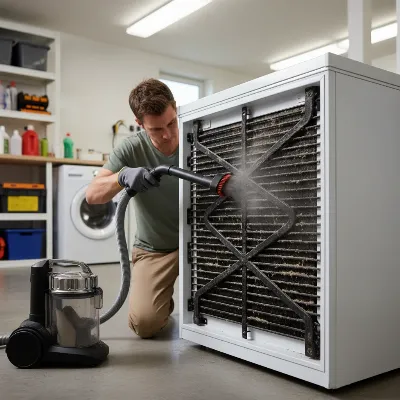 A person cleaning condenser coils of a chest freezer with a vacuum attachment
Optimal Temperature Monitoring
Maintaining the correct temperature is fundamental for food safety and freezer efficiency.
- Ideal Range: Chest freezers should typically be set to 0°F (-18°C) or lower for optimal food preservation.
- Monitoring: While most modern freezers have electronic thermostats, using an independent freezer thermometer can provide an accurate reading and ensure your food remains safely frozen. If your freezer consistently struggles to maintain the set temperature, it might indicate a larger issue requiring attention.
Proper Placement and Ventilation
The location of your chest freezer significantly impacts its performance and energy consumption.
- Suitable Location: Choose a well-ventilated area away from direct sunlight, heat sources (like ovens, radiators, or water heaters), and excessive humidity. Heat forces the compressor to work overtime, reducing energy efficiency.
- Level Surface: Ensure the freezer is placed on a flat, level surface to keep the internal system balanced and efficient.
- Airflow: Allow at least 3-5 inches of space around the back and sides of the freezer for proper air circulation. This ensures adequate heat dissipation from the condenser coils.
Maximizing Energy Efficiency Through Maintenance
Consistent maintenance is the secret weapon for an energy-efficient chest freezer. Each maintenance tip contributes to reducing the workload on your freezer, translating directly into lower electricity bills.
Avoid Overcrowding or Emptiness
While it might seem counterintuitive, an optimally filled freezer is more energy-efficient.
- Full but Not Overcrowded: A freezer that is 70-80% full holds cold air better than an empty one. This helps maintain a stable temperature, especially when the lid is opened, reducing how hard the compressor has to work. If your freezer is consistently less than half full, consider filling empty spaces with frozen water bottles to help stabilize the temperature.
- Leave Airspace: However, avoid overcrowding, as this can block internal airflow, forcing the unit to work harder. Leave at least 6 inches of space at the top for cold air to circulate effectively.
Minimize Door Openings
Every time you open your chest freezer, warm air rushes in, and cold air escapes. The freezer then has to expend energy to bring the temperature back down.
- Strategic Access: Try to limit how often and how long you open the freezer lid. Organize items with baskets and labels so you can quickly find what you need without prolonged searching. This simple habit can significantly reduce energy consumption. “A freezer with open doors uses 40% more power,” states one expert, highlighting the impact of this simple action.
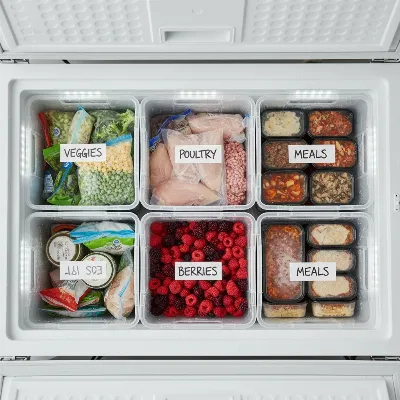 An open chest freezer with clearly organized food in labeled baskets
Troubleshooting Common Chest Freezer Issues
Even with diligent maintenance, issues can occasionally arise. Knowing how to diagnose and address minor problems can save you from unnecessary service calls.
Excessive Frost Buildup
If you notice rapid or excessive frost accumulation despite regular defrosting, it often points to a specific issue.
- Causes: The most common culprits are a damaged or dirty door seal allowing warm, moist air to enter, or frequent and prolonged lid openings. In some cases, high humidity in the placement area can also contribute.
- Solutions: Inspect and clean or replace the door gasket. Minimize how often you open the freezer. Ensure the room’s humidity isn’t excessively high. If the problem persists, it could indicate a faulty defrost system or temperature control, warranting professional inspection.
Freezer Not Cooling Properly
When your chest freezer isn’t maintaining a sufficiently cold temperature, or items are thawing, it’s a clear warning sign.
- Initial Checks:
- Power: Verify the freezer is plugged in securely and the circuit breaker hasn’t tripped.
- Temperature Settings: Ensure the thermostat is set correctly.
- Placement: Confirm the freezer is in a well-ventilated area, away from heat sources.
- Condenser Coils: Check if the condenser coils are clean and free of debris.
- Door Seal: Perform the dollar bill test on the door seal.
- When to Call a Pro: If these basic checks don’t resolve the issue, the problem might be more complex, such as a faulty compressor, low refrigerant levels, or a defective thermostat. These issues require a qualified technician for diagnosis and repair.
Unusual Noises or Constant Running
While freezers make some operational sounds, unusual noises (like loud humming, clicking, or rattling) or a compressor that seems to be running constantly are signs your unit is struggling.
- Indications: Constant running often suggests the freezer is working harder than it should to maintain temperature, possibly due to a compromised seal, heavy frost buildup, or dirty condenser coils. Unusual noises can indicate problems with the fan, compressor, or other internal components.
- Action: Address any frost buildup, clean coils, and check seals. If the problem persists, consulting a professional technician is advisable to prevent further damage.
Conclusion
Your new chest freezer is a hardworking appliance designed to preserve your food and simplify your life. By dedicating a small amount of time to essential maintenance—regularly defrosting, keeping it clean, inspecting seals, caring for condenser coils, and monitoring its environment—you ensure it operates at peak efficiency. These simple yet crucial steps not only extend the appliance’s lifespan and protect your food investment but also translate into tangible savings on your energy bills. Don’t let your chest freezer become an overlooked workhorse; give it the consistent care it deserves. What small maintenance step will you take this week to ensure your chest freezer remains a reliable cold storage solution?
Frequently Asked Questions
How often should I defrost my chest freezer?
You should typically defrost your chest freezer at least once a year, or whenever the ice buildup on the interior walls reaches about 1/4 inch (6mm) thick. This prevents the freezer from working harder than necessary, saving energy and preserving storage space.
What is the best way to clean the inside of a chest freezer?
After defrosting and removing all food, clean the interior with a solution of warm water and a mild dish detergent, or a mixture of one tablespoon of baking soda per quart of warm water. Wipe thoroughly, rinse with clean water, and dry completely before restarting the freezer.
How do I check if my chest freezer’s door seal is still effective?
Perform the “dollar bill test”: close the freezer lid on a dollar bill so half is inside and half is outside. If the bill slides out easily when pulled, your seal may be compromised. Inspect for cracks or debris and clean or replace as needed.
Why are my chest freezer’s condenser coils important to clean?
Condenser coils release heat from the freezer. When they get covered in dust and debris, they can’t dissipate heat efficiently. This forces the compressor to work harder, increasing energy consumption and potentially shortening the life of the appliance.
Can I use sharp objects to remove ice when defrosting?
No, you should never use sharp objects or electrical devices to remove ice from your chest freezer. This can easily damage the freezer’s interior, potentially puncturing the refrigerant lines or damaging the lining, which can lead to costly repairs or render the unit unusable.
